Spirit Airlines Shuts Down: What It Means for Travelers—and Why the Budget Airline Crisis Is Just Beginning

If you've ever booked a $29 flight to Fort Lauderdale, grabbed a last-minute weekend fare for under $100, or squeezed into a no-frills seat because the price was just too good to pass up—Spirit Airlines made that possible. And now, Spirit is gone.
The ultra-low-cost carrier's shutdown marks the end of an era for budget air travel in the United States. For millions of travelers, Spirit wasn't just an airline—it was the airline that made flying accessible. But for the aviation industry, Spirit's collapse is a warning sign that the business model underpinning affordable air travel is under existential threat.
And Spirit isn't alone.
The Immediate Impact: What Spirit's Shutdown Means for Travelers
Let's start with what matters most to consumers: your wallet.
Spirit operated over 500 daily flights across more than 80 destinations, with a business model built on one simple promise: strip out everything extra, and pass the savings to passengers. No free carry-ons, no complimentary snacks, no seat assignments unless you paid for them. But the base fare? Often shockingly cheap.
With Spirit out of the market, here's what changes:
1. Fewer Choices, Higher Fares
When airlines exit or consolidate, fares rise. It's not speculation—it's historical fact. Studies show that when competition decreases on a route, average fares increase 5-15% within the first year. On routes where Spirit was the primary low-cost option, that number can be even higher.
Spirit's exit removes a major competitive pressure point. Airlines that previously had to match Spirit's rock-bottom fares no longer face that constraint. The result? Expect higher prices, especially on leisure routes Spirit dominated: Florida, Las Vegas, Caribbean destinations, and secondary markets.
2. Route Reductions in Secondary Markets
Spirit didn't just fly to major hubs—it connected smaller cities that legacy carriers often overlooked. Cities like Akron, Myrtle Beach, and Atlantic City benefited from Spirit's willingness to serve underserved markets.
With Spirit gone, some of these routes may disappear entirely. Frontier and Allegiant may pick up a few, but they won't replace Spirit's full network. For travelers in secondary markets, flying just got harder—and more expensive.
3. Less Pressure on Legacy Carriers to Compete
Here's the uncomfortable truth: Spirit kept everyone else honest. When United, Delta, and American launched "Basic Economy" fares, it wasn't out of generosity—it was to compete with Spirit. Spirit's pricing forced legacy carriers to offer budget-conscious travelers something affordable.
Without Spirit in the market, that competitive pressure eases. Don't be surprised if Basic Economy fares start creeping upward, or if the restrictions on those tickets get even tighter.
But Spirit's Collapse Isn't Happening in a Vacuum
Spirit's shutdown would be alarming enough on its own. But it's not an isolated event—it's the most visible symptom of a budget airline sector in crisis.
Allegiant and Sun Country Just Merged
In a move that would have been unthinkable five years ago, Allegiant Airlines and Sun Country Airlines announced their merger, creating a combined entity designed to compete at scale. The message is clear: surviving as a small, independent ultra-low-cost carrier is no longer viable.
The ULCC business model requires razor-thin margins, operational efficiency, and volume. Allegiant and Sun Country recognized that going it alone meant getting squeezed between larger competitors with better cost structures and legacy carriers willing to sacrifice margins to protect market share. Merging was survival.
JetBlue Is Drowning in Debt
JetBlue isn't an ultra-low-cost carrier—it's a value mainline carrier that positioned itself as the "nicer" alternative to Spirit and Frontier, with more legroom, free snacks, and free Wi-Fi. But right now, JetBlue is sitting on $9 billion in debt, and the airline is struggling to service it.
JetBlue's attempted acquisition of Spirit (blocked by the DOJ on antitrust grounds) was a Hail Mary to achieve scale and cost synergies. Without that deal, JetBlue is stuck: too premium to compete with ULCCs on price, too subscale to compete with legacy carriers on network and loyalty. The debt load is crushing, and the path forward isn't clear.
The Pattern: The Budget Airline Model Is Breaking
Here's what we're seeing across the sector:
• Spirit: Dead.
• JetBlue: $9B in debt, operationally strained.
• Allegiant/Sun Country: Merging to survive.
• Frontier: The last standalone ULCC—and watching nervously.
• Southwest: A value carrier that's held up better, but facing its own cost pressures.
Three out of five major budget-focused carriers are now in crisis. This isn't coincidence. It's a structural problem.

Why the Budget Airline Business Model Is Under Siege
So what's happening? Why is the budget sector collapsing?
1. Cost Pressures Are Crushing Margins
ULCCs survive on volume and operational efficiency. When fuel costs spike, labor costs rise, and airport fees increase, those razor-thin margins evaporate. Spirit's cost-per-available-seat-mile (CASM) was industry-leading—but even that wasn't enough when costs across the board surged post-COVID.
Airlines that can't pass those costs to consumers (because their entire value proposition is "cheap") get squeezed. Spirit couldn't raise fares without losing its identity. So it lost money instead.
2. Legacy Carriers Are Competing on Price
A decade ago, legacy carriers ceded the budget market to Spirit, Frontier, and Allegiant. "Let them have the bottom—we'll focus on premium." But that calculus changed.
Delta, United, and American launched Basic Economy fares—essentially mimicking the ULCC model within their own networks. They can afford to lose money on those tickets because they're subsidized by premium cabin revenue, loyalty programs, and corporate contracts. Spirit couldn't compete with airlines willing to lose money on certain fare classes to defend market share.
3. Debt Loads and Capital Structure
Spirit, JetBlue, and others took on significant debt to finance fleet expansion, infrastructure investments, and COVID-era survival. That debt is now due—and in a high-interest-rate environment, servicing it is brutal.
JetBlue's $9B debt isn't just a number—it's an anchor. Every dollar spent on interest payments is a dollar not spent on fleet upgrades, route expansion, or competitive pricing. Spirit faced similar pressures and couldn't refinance its way out.
4. The Post-COVID Demand Hangover
During the initial COVID recovery, budget airlines saw a surge in leisure demand. People wanted to travel again, and they wanted to do it cheaply. But that demand spike was temporary. As revenge travel normalized and corporate travel returned, leisure demand stabilized—and budget carriers lost their tailwind.
The airlines that thrived during the recovery were those with diversified revenue streams: corporate contracts, premium cabins, cargo, loyalty programs. Budget carriers had none of that. When leisure demand flattened, they had nowhere to fall back.
Who Wins, Who Loses, and What Comes Next Winners
Frontier Airlines: The last major standalone ULCC, Frontier is now positioned to absorb Spirit's customers. But can it survive long-term without consolidating? Time will tell.
Allegiant/Sun Country (Combined Entity): The merger creates a stronger competitor with better route density, fleet utilization, and cost structure. If the integration goes well, this could be the ULCC that survives.
Legacy Carriers (Delta, United, American): Fewer competitors mean more pricing power. Expect Basic Economy fares to rise and restrictions to tighten now that Spirit isn't forcing their hand.
Southwest: Southwest isn't a true ULCC, but it's positioned as a value carrier with better operational reliability and customer loyalty. With Spirit gone, Southwest's "low fares, no hidden fees" pitch gets even stronger.
Losers
Budget Travelers: This is the biggest loser. Fewer airlines competing for your business means higher fares, fewer routes, and less choice.
Secondary Markets: Cities that relied on Spirit for connectivity will lose service. Some may never get it back.
Employees: Thousands of Spirit employees are out of work. JetBlue employees are watching layoffs and cost-cutting. The human cost of consolidation is real.
What Comes Next?
The budget airline sector is being redrawn in real-time. Here's what to watch:
1. Will Frontier Consolidate or Go It Alone? Frontier is now the last major standalone ULCC. Does it merge with someone (JetBlue? A regional carrier?) or try to absorb Spirit's market share and compete independently?
2. Can JetBlue Survive Its Debt Load? JetBlue needs to refinance, restructure, or find a partner. If it can't, JetBlue could be the next Spirit.
3. Will Legacy Carriers Launch ULCC Subsidiaries? Some industry analysts predict legacy carriers might launch wholly-owned ULCC brands to compete in the budget segment without cannibalizing premium revenue. Think Delta launching a "Delta Basic" subsidiary with its own branding and cost structure.
4. Regulatory Response: The DOJ blocked the JetBlue-Spirit merger on antitrust grounds. Now Spirit is gone anyway, and the market has less competition than if the merger had been allowed. Will regulators rethink their approach to airline consolidation?
What Airlines Can Learn: The Cileo Group Perspective
Participating in the @Aquila Global Airline Payments Modernization Study 2025, The Cileo Group has worked with airlines across every business model—legacy carriers, ULCCs, regional airlines, and everything in between. Spirit's collapse reinforces lessons we've seen play out across the industry:
1. Operational Excellence Is Non-Negotiable
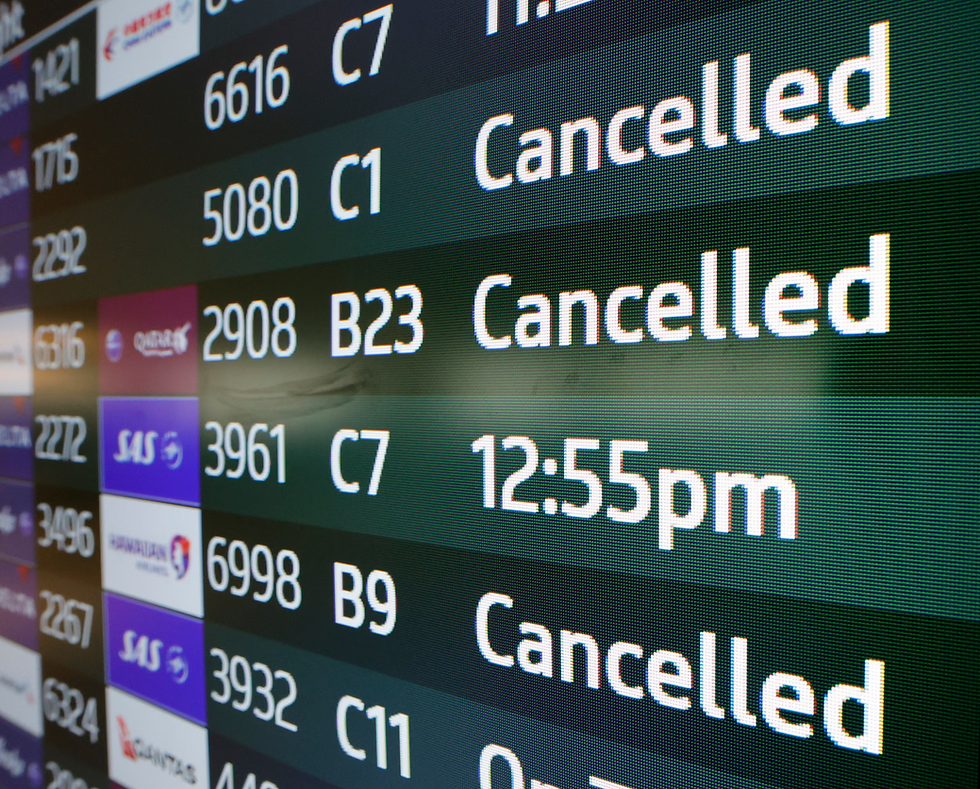
Spirit's business model required near-perfect operational execution. Delays, cancellations, and inefficiencies eat into already-thin margins. Airlines that can't optimize operations don't survive. Period.
Modernizing financial infrastructure—payment processing, revenue optimization, reconciliation automation—isn't optional anymore. Airlines that still rely on manual processes, fragmented systems, and overnight batch reconciliation are bleeding efficiency. The survivors are the ones who've automated end-to-end.
2. Financial Discipline Beats Growth at All Costs
JetBlue's $9B debt load is a cautionary tale. Growth financed by unsustainable debt doesn't build resilience—it builds vulnerability. When interest rates rise or demand softens, airlines with overleveraged balance sheets are the first to fall.
Revenue optimization and cost control aren't back-office concerns—they're survival strategies. Airlines that can't dynamically optimize pricing, manage cash flow in real-time, and control operational spend will be the next casualties.
3. Diversification Matters
Legacy carriers survived because they don't rely solely on leisure fares. They have corporate contracts, premium cabins, cargo revenue, loyalty programs, and co-branded credit cards. ULCCs had none of that.
The lesson: Single-revenue-stream business models are fragile. Airlines need diversified income, resilient infrastructure, and the ability to adapt when one segment weakens.
4. Scale Is Survival in a Consolidating Market
Allegiant and Sun Country merged because they recognized that being small and independent is no longer viable. Frontier is watching. JetBlue tried to acquire Spirit to gain scale. The industry is consolidating, and airlines that don't achieve scale—either through growth, merger, or operational excellence—won't make it.
The Budget Airline Reckoning Isn't Over
Spirit's shutdown is the headline, but the story is far from over. JetBlue's debt crisis, the Allegiant-Sun Country merger, Frontier's uncertain future—these aren't isolated events. They're symptoms of a sector under existential pressure.
For travelers, the message is clear: budget air travel as we knew it is disappearing. Fares will rise. Choices will shrink. Routes will consolidate.
For airlines, the message is even starker: adapt, consolidate, or die. The airlines that survive will be those that achieve operational excellence, financial discipline, and the infrastructure to compete in a market where margins are razor-thin and mistakes are fatal.
Spirit is gone. The question now is: who's next?
Ready to assess your agentic commerce readiness?
Download the full @Aquila Global Airline Payments Modernization Study 2025 to see how your payment infrastructure stacks up—and where the gaps are.
Or contact The Cileo Group to discuss how we can help you build payment systems that don't just handle agentic commerce, but turn it into your competitive advantage.
The wave is here. Let's make sure you're riding it.